Winter in Reading, PA can be tough on homes. Temperatures often swing back and forth between freezing and mild within just a few days. Snow melts in the afternoon sun, only to re-freeze overnight. While this may seem like typical winter weather, these constant temperature changes can quietly damage your gutters if they are not properly protected.
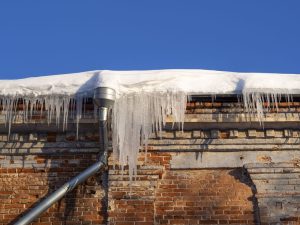
The real problem begins when gutters are clogged with leaves, twigs, and debris left behind from fall. When rain or melting snow fills those clogged gutters, the trapped water has nowhere to drain. As soon as temperature drops below freezing, that standing water turns to ice.
Why Expansion and Contraction Cause Damage
Water expands when it freezes. That expansion creates pressure inside your gutters. As temperatures rise, the ice melts and contracts. Then it freezes again when the temperature drops. This repeated cycle of expansion and contraction puts stress on the metal, seams, and fasteners holding your gutters in place.
Over time, this stress weakens the system. Small cracks can form along seams. Gutter sections may begin to separate. Hangers loosen, and the gutters start pulling away from the fascia board. What began as a simple clog can quickly turn into structural damage along your roofline.
Sagging and Separation
In Reading’s winter climate, freeze-thaw cycles can happen over and over again in one season. Each cycle adds strain. Ice buildup becomes heavy, weighing down the gutter system. The extra weight can cause sagging, which affects the slope needed for proper drainage.
Once gutters lose their correct pitch, water continues to collect instead of flowing toward the downspouts. That standing water increases the chances of freezing more, which leads to even greater damage. Eventually, sections may fully detach from the home.
Fascia and Roof Edge Problems
When gutters pull away or crack, water can leak behind them. This exposes the fascia board to ongoing moisture. In time, the wood may begin to rot. Paint peels, boards soften, and repairs become necessary.
Ice can also force water back toward the roof edge. This may contribute to ice dams and water intrusion into attics or ceilings. Many homeowners do not realize the connection between clogged gutters and winter roof damage until they see stains or leaks inside.
Protecting Your Home Through the Winter
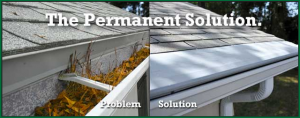
The best defense against freeze-thaw damage is preventing clogs in the first place. When gutters remain clear and water flows freely, there is less standing water available to freeze. That means less expansion pressure and less strain on the system.
For homeowners in Reading and surrounding areas, winter preparation should include making sure gutters are ready for freezing temperatures. Taking steps to keep debris out can help prevent cracks, separation, fascia damage, and costly repairs. In Pennsylvania’s ever-changing winter weather, a protected gutter system is a simple way to safeguard your home and your investment. Contact Keystone Gutter Helmet at 610-372-4383 today or visit us online for more information!